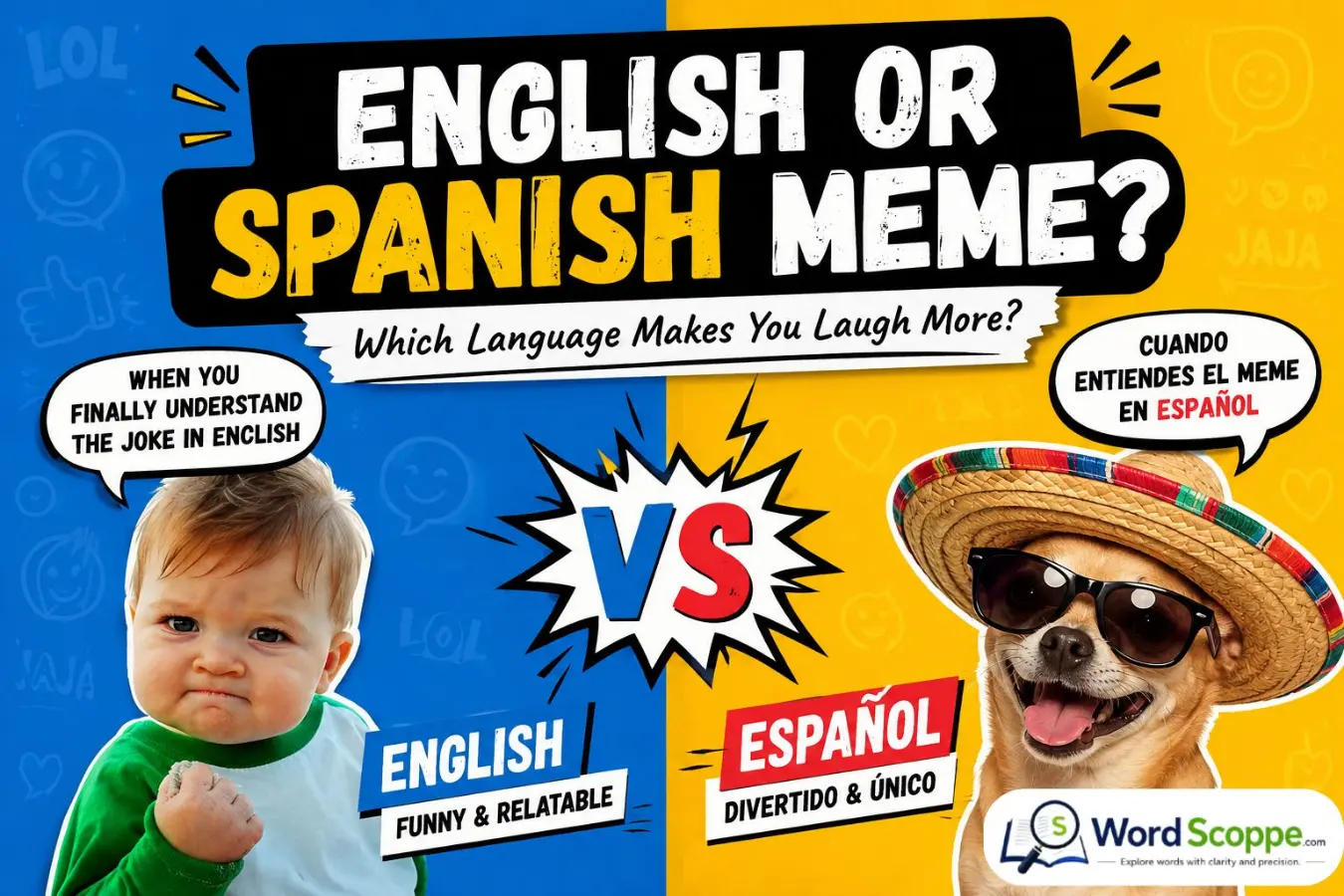
English or Spanish meme refers to a viral TikTok prank that became popular in 2024. At first, the question sounds completely normal. Someone simply asks another person to choose between English and Spanish. However, the question usually leads to a funny freeze challenge. The person must stay still after hearing the punchline. The trend spread quickly through TikTok videos, edits, reaction clips, and memes. Many people saw the phrase online without understanding its meaning. That made the trend even more searchable and shareable. The meme also became a common reference in internet jokes.
In this guide, we explain its meaning, origin, format, popularity, examples, and cultural context. You will also learn why the simple question became strongly connected with the viral challenge.
Quick Summary
- The phrase became a viral TikTok trend in 2024.
- It usually starts with someone asking, “English or Spanish?”
- The person chooses one of the two languages.
- The prankster then gives a challenge in that language.
- The target usually freezes and tries not to move.
- The trend became known as the “Whoever Moves Is Gay” meme.
- Alfonso Nieves, known online as @alfonsopinpon_, started the original format.
- The trend later spread through edits, reactions, and parody videos.
- The joke depends on surprise and the target’s reaction.
- Some viewers find the joke offensive because of its sexual-orientation punchline.
What Does the English or Spanish Meme Mean?
The meme starts with a simple question:
“English or Spanish?”
The target chooses one language.
Then, the prankster delivers a challenge in that language.
The original joke tells the person that whoever moves first is gay.
As a result, the target often freezes completely.
The goal is to avoid becoming the first person to move.
The humor comes from the unexpected change in the situation.
At first, the question sounds like a normal language choice.
Then, it suddenly becomes a strange staring contest.
That surprise helped the format become easy to repeat online.
Where Did the Meme Come From?
The trend began on TikTok in 2024.
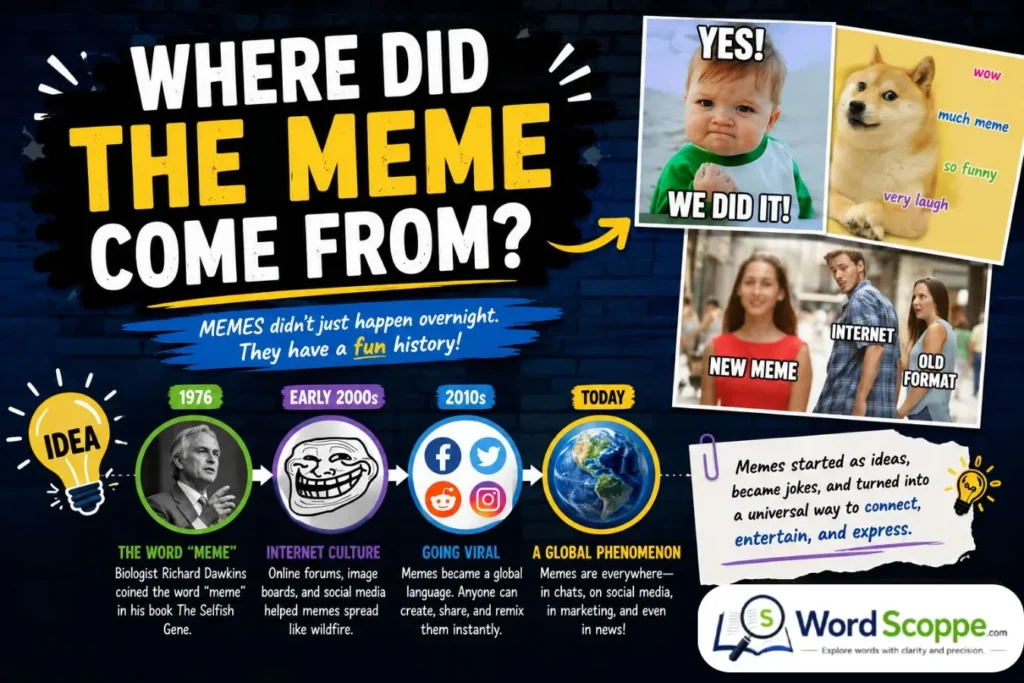
Creator Alfonso Nieves, known as @alfonsopinpon_, became closely associated with the format.
According to Know Your Meme, he posted an early version on February 25, 2024.
The video showed him approaching people in a mall.
He asked them which language they preferred.
He then delivered the challenge using their chosen language.
The format gained attention through later videos.
More creators began making edits and parody versions.
By May 2024, the phrase had become a recognizable meme format.
How Does the Meme Work?
The basic format has only a few steps.
Step 1: Ask the Question
The person approaches someone and asks:
“English or Spanish?”
Step 2: Choose a Language
The target chooses English or Spanish.
Step 3: Give the Challenge
The prankster gives the same basic challenge in the selected language.
Step 4: Freeze
The target tries not to move.
This creates an awkward staring contest.
Step 5: Wait for Someone to Move
The joke continues until one person breaks the freeze.
This simple structure makes the meme easy to recreate.
It also works well in short videos.
Why Did the English or Spanish Meme Become Popular?
Several factors helped the trend spread.
First, the opening question sounds harmless.
People do not expect a prank after hearing it.
Second, the joke creates immediate tension.
The target suddenly needs to remain completely still.
Third, the format requires very little editing.
A creator only needs two people and a camera.
Finally, viewers quickly understood the reference.
Once someone heard “English or Spanish?” online, they could recognize the joke.
The format also worked well with reaction videos and dramatic edits.
One viral edit in May 2024 helped push the trend even further. Know Your Meme reports that the edit received millions of views and likes.
English and Spanish Versions Compared
The two versions follow the same basic idea.
| Feature | English Version | Spanish Version |
| Opening | “English or Spanish?” | “English or Spanish?” |
| Language chosen | English | Spanish |
| Challenge | Given in English | Given in Spanish |
| Main action | Stay still | Stay still |
| Humor | Surprise and tension | Surprise and tension |
| Format | TikTok prank | TikTok prank |
The language does not change the main joke.
It simply changes how the challenge gets delivered.
That language choice became part of the meme itself.
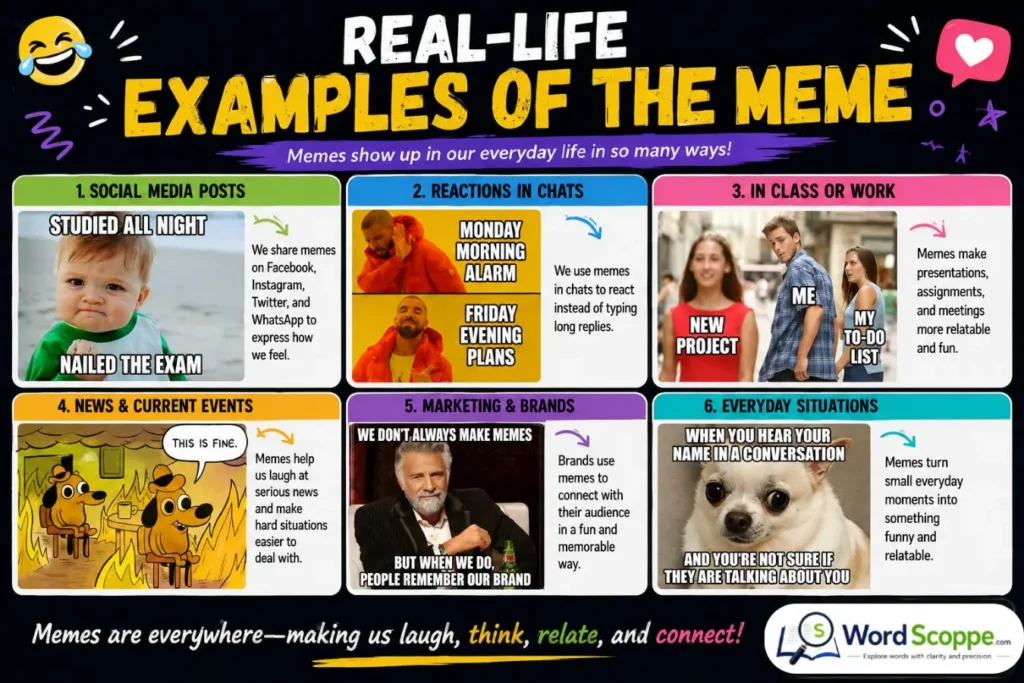
Real-Life Examples of the Meme
Imagine someone approaches a friend at a shopping mall.
They ask, “English or Spanish?”
The friend chooses English.
The prankster gives the challenge.
The friend immediately stops moving.
Now imagine another person choosing Spanish.
The same basic setup happens again.
The only major difference involves the language.
Online creators later adapted this idea to different settings.
They used classrooms, gaming videos, public places, and reaction clips.
Some creators also used fictional characters or animated scenes.
Therefore, the meme became more than one original prank.
It became a reusable internet format.
Why Do People Freeze in the Meme?
The freezing action creates the main visual joke.
The target understands the challenge and tries to follow it.
However, staying completely still can become increasingly awkward.
That awkwardness makes the video entertaining for viewers.
The longer someone stays still, the stronger the comedic effect becomes.
This also gives creators an easy way to build suspense.
Viewers naturally wait for someone to move first.
That simple expectation keeps attention on the video.
What Is the “Whoever Moves First” Connection?
The connection comes from the original prank format.
The language question itself is not the punchline.
Instead, it introduces the challenge that follows.
The target chooses a language.
The prankster then uses that language to deliver the “whoever moves first” joke.
Eventually, people began recognizing the setup without seeing the rest.
Therefore, simply hearing “English or Spanish?” could remind viewers of the entire meme.
This explains why the phrase became a standalone internet reference.
Common Mistakes About the Meme
People often misunderstand the trend.
Mistake 1: Thinking It Is a Language Joke
The meme is not really about English versus Spanish.
The language choice mainly sets up the prank.
Mistake 2: Thinking the Question Has a Hidden Meaning
Normally, “English or Spanish?” simply asks which language someone speaks.
The meme gives the question a special internet meaning.
Mistake 3: Missing the Freeze Challenge
Some people only see the opening question.
The important part comes after the language choice.
Mistake 4: Assuming Every Use Has the Same Context
Creators often remix popular memes.
Some versions change the characters, setting, or punchline.
Therefore, not every video follows the original format exactly.
Is the Meme Offensive?
The original joke uses sexual orientation as part of its punchline.
Some viewers see this as harmless internet humor.
Others criticize it because it can rely on a negative stereotype.
That difference in reaction is important when discussing the trend.
Internet memes often change meaning across different communities.
A joke that seems funny to one audience may feel uncomfortable to another.
Therefore, context matters when sharing or recreating this meme.
Understanding the original joke helps viewers recognize what a video references.
How the Meme Was Used in Other Content
The trend quickly moved beyond original prank videos.
Creators began making edits using popular songs.
Others added captions, dramatic effects, and reaction clips.
Some videos used the phrase as a setup for unrelated jokes.
The format also appeared in gaming and animated content.
This flexibility helped the trend survive beyond its original videos.
Know Your Meme records several edits and variations that appeared during the trend’s growth.
Related Names and Search Terms
People use several names for the same meme.
Common related phrases include:
- English or Spanish trend
- Do you speak English or Spanish meme
- Whoever moves first meme
- Whoever moves is gay meme
- English or Spanish TikTok
- English or Spanish challenge
- TikTok freeze prank
- English or Spanish trend explained
These terms describe the same general internet phenomenon.
However, some versions may use different jokes or variations.
Expert Insight: Why Simple Memes Spread Fast
The success of this trend shows how simple formats can travel online.
A strong meme often needs only one recognizable setup.
People should understand the format within seconds.
This trend achieved that through a familiar question and an unexpected response.
It also created a clear visual action.
The target freezes, while viewers wait for movement.
That makes the joke easy to understand without much explanation.
Moreover, creators can reuse the format with different people and settings.
This adaptability often helps memes spread across social platforms.
The trend’s rapid growth demonstrates how TikTok can turn ordinary phrases into recognizable cultural references.
Frequently Asked Questions
What does “English or Spanish?” mean in memes?
In this meme context, it refers to a TikTok prank involving a freeze challenge.
Who started the English or Spanish trend?
Alfonso Nieves, known as @alfonsopinpon_, is widely credited with starting the original format.
When did the English or Spanish meme start?
The original format appeared on TikTok in February 2024.
Why do people freeze after hearing the phrase?
They expect the prankster to give the familiar challenge from the meme.
Is English or Spanish actually part of the joke?
The language choice sets up the prank. The main joke comes afterward.
Why did the trend become popular?
Its simple setup, surprise, awkward reactions, and easy editing helped it spread.
Is the meme still recognizable?
Yes. The phrase became a recognizable reference to the 2024 TikTok trend.
What is another name for this meme?
It is also called the “Whoever Moves Is Gay” or “Whoever Moves First” meme.
Conclusion
The english or spanish meme started as a simple TikTok prank in 2024. Alfonso Nieves helped popularize the original format by approaching people in public. He asked them to choose between two languages. Then, he delivered an unexpected freeze challenge. The target usually tried to remain completely still. That simple reaction became the main source of humor. Soon, creators turned the idea into edits, reactions, parodies, and new meme formats. The phrase became recognizable even without the original video. While the joke remains popular, some viewers dislike its sexual-orientation-based punchline. Still, its growth shows how quickly a simple idea can become an internet reference. If you see someone suddenly ask, “English or Spanish?”, you now know why the question may mean much more online.

Sophia Hayes is a language researcher and content writer at WordsCoppe.com, specializing in word comparisons, spelling differences, grammar explanations, and vocabulary insights. She is passionate about making English easier to understand through clear, accurate, and practical content. By breaking down complex language topics into simple explanations, Sophia helps readers improve their writing and communication skills. Her goal is to make learning English more accessible, engaging, and confidence-building for learners worldwide.