Family or fiance is a question many people face before marriage. It can feel stressful and emotional. You may love your family deeply. At the same time, you want to build a happy future with your partner. This situation often creates confusion, especially when opinions differ. The good news is that you usually do not have to choose one over the other. Healthy relationships grow through respect, trust, and honest communication. In this guide, you will learn what this question really means, why it happens, how to handle common challenges, and practical ways to create balance. By the end, you will understand how to protect both important relationships while making thoughtful decisions.
Quick Summary Box
- Family or fiance is about balancing two important relationships.
- In most situations, you do not have to choose one over the other.
- Healthy communication helps reduce conflict.
- Respect, boundaries, and trust strengthen relationships.
- After marriage, your spouse usually becomes your primary life partner.
- Strong family relationships can still continue with healthy boundaries.
What Does “Family or Fiance” Mean?
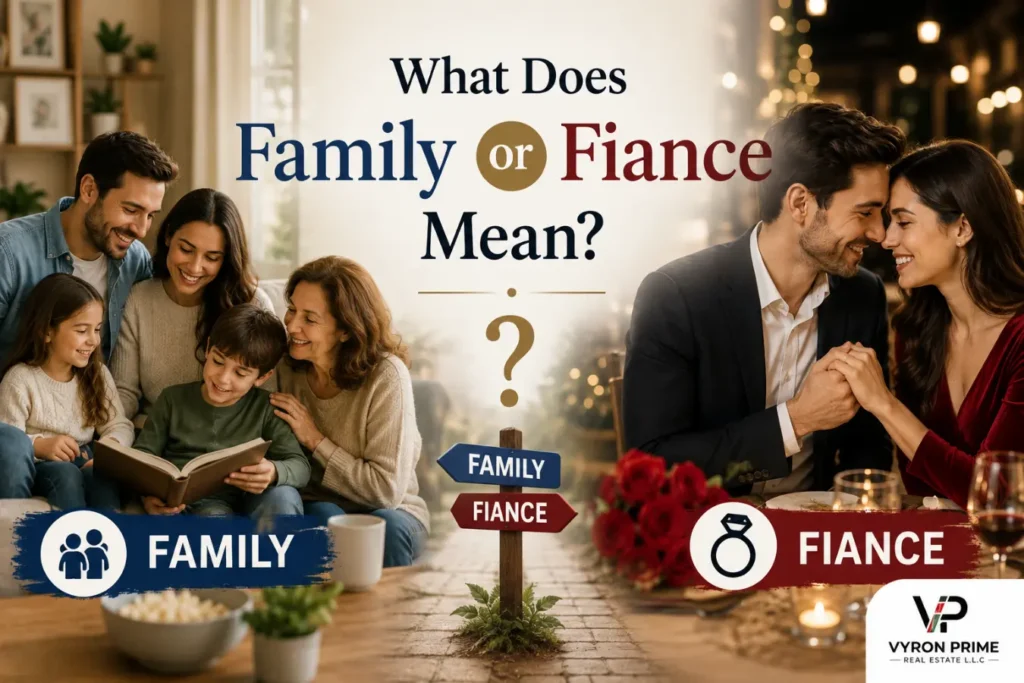
The phrase family or fiance describes a situation where someone feels caught between their family members and the person they plan to marry.
This may happen when:
- Parents dislike the relationship.
- A fiance feels ignored.
- Family traditions conflict with wedding plans.
- Different values create disagreements.
The goal is not choosing a winner. Instead, the goal is finding a healthy balance.
Understanding the Situation in Simple Words
Loving your family and loving your fiance are different types of relationships.
Your family has supported you throughout your life. Your fiance is someone you plan to build your future with.
Both relationships matter.
Instead of asking, “Who should I choose?” ask:
- How can I respect both?
- How can we solve the conflict?
- What decision creates a healthy future?
This mindset often leads to better outcomes.
Family vs. Fiance Comparison Table
| Feature | Family | Fiancé |
| Relationship | Lifelong relatives | Future spouse |
| Main role | Support, guidance, love | Life partner and teammate |
| Emotional connection | Family bond | Romantic partnership |
| Future planning | May offer advice | Builds future together |
| Healthy expectation | Mutual respect | Mutual trust and commitment |
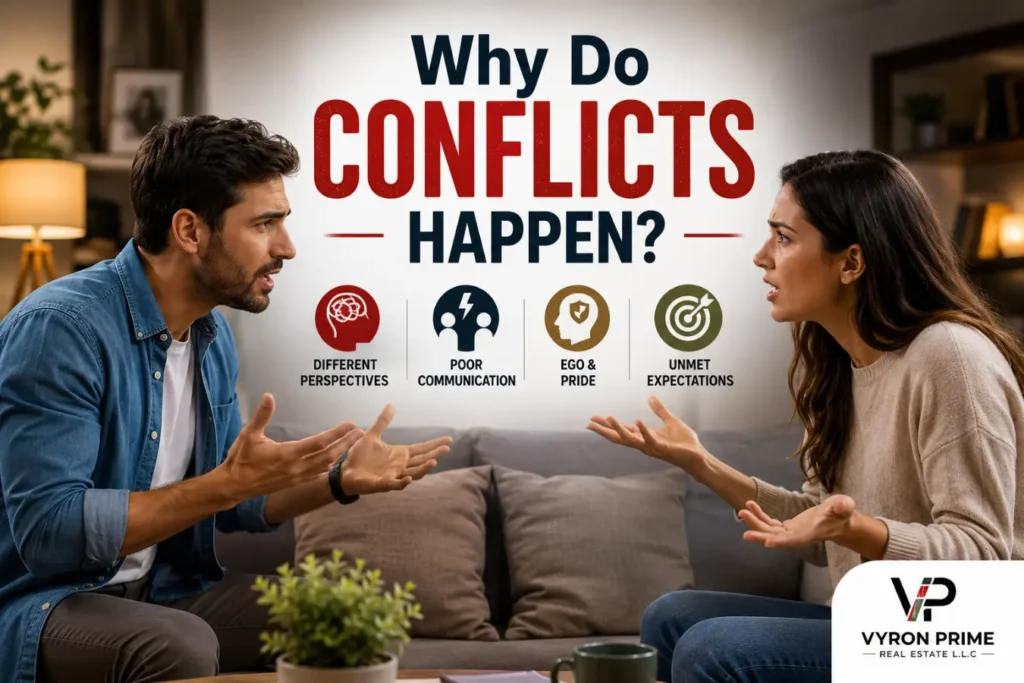
Why Do Conflicts Happen?
Many disagreements have simple causes.
Common reasons include:
- Different cultural traditions
- Religious beliefs
- Financial concerns
- Wedding planning disagreements
- Communication problems
- Personality differences
- Fear of change
Understanding the real cause helps everyone find better solutions.
Real-Life Examples
Example 1
A woman wants a small wedding.
Her parents want a large celebration.
She talks openly with both sides and reaches a compromise.
Example 2
A man spends every weekend with his parents.
His fiance wants more quality time together.
They create a schedule that respects both relationships.
Example 3
Parents worry about their child’s future.
Instead of arguing, the couple answers their questions honestly and builds trust.
Common Mistakes People Make

Many couples face unnecessary problems because of these mistakes.
Ignoring Communication
Silence often makes misunderstandings worse.
Taking Sides Too Quickly
Listen before making decisions.
Allowing Constant Interference
Healthy boundaries protect every relationship.
Disrespecting Family Members
Kindness creates stronger long-term relationships.
Forgetting Your Future Goals
Remember the life you want to build together.
Tips for Balancing Family and Your Fiance
These practical tips help many couples.
- Speak honestly and calmly.
- Listen to every person’s concerns.
- Set healthy boundaries early.
- Respect different opinions.
- Solve problems together.
- Avoid forcing people to choose sides.
- Focus on long-term happiness instead of short-term arguments.
Small actions often prevent bigger conflicts.
How This Situation Appears in Daily Life
You may experience this question during:
- Wedding planning
- Holiday celebrations
- Family gatherings
- Financial decisions
- Moving to another city
- Career opportunities
- Raising children
Learning healthy communication now helps throughout married life.
Related Words and Synonyms
These related terms often appear with this topic.
| Word | Meaning |
| Partner | Someone in a committed relationship |
| Future spouse | Person you plan to marry |
| Engaged partner | Another way to describe a fiancé |
| Relatives | Family members |
| Loved ones | People close to you |
| Marriage | Legal and emotional partnership |
| Relationship | Connection between people |
These words help explain different parts of family and relationship discussions.
Expert Insights: Why Balance Matters
Relationship experts often encourage couples to build healthy boundaries rather than choose between loved ones.
A successful marriage usually depends on:
- Honest communication
- Mutual respect
- Emotional maturity
- Trust
- Teamwork
Strong boundaries do not mean cutting off family. Instead, they help everyone understand their roles while maintaining healthy relationships.
When couples solve conflicts respectfully, they create a stronger foundation for marriage.
Frequently Asked Questions
Should I choose my family or my fiance?
In many situations, you should work toward balancing both relationships instead of choosing one side.
Who becomes your priority after marriage?
Many relationship experts agree that your spouse becomes your primary life partner while family relationships remain important.
Can family disagreements affect a marriage?
Yes. Poor communication and unresolved conflict can create stress if not addressed early.
How can I keep peace between my family and my fiance?
Communicate openly, respect everyone, and set healthy boundaries.
Is it normal to feel guilty?
Yes. Many people experience mixed emotions during major life changes.
What if my family dislikes my fiance?
Listen carefully to their concerns, discuss them openly, and make thoughtful decisions based on facts rather than pressure.
Can family relationships improve after marriage?
Yes. Many families grow closer over time through patience, understanding, and mutual respect.
Conclusion
The question family or fiance does not always require choosing one over the other. In many cases, the healthiest solution is creating balance through respect, communication, and clear boundaries. Your family remains an important part of your life, while your fiance is the person with whom you plan to build your future. Both relationships deserve care and honesty. Every family situation is unique, so thoughtful conversations often lead to better outcomes than emotional reactions. By listening carefully, solving problems together, and focusing on long-term happiness, you can build stronger relationships with both your loved ones and your future spouse.

Sophia Hayes is a language researcher and content writer at WordsCoppe.com, specializing in word comparisons, spelling differences, grammar explanations, and vocabulary insights. She is passionate about making English easier to understand through clear, accurate, and practical content. By breaking down complex language topics into simple explanations, Sophia helps readers improve their writing and communication skills. Her goal is to make learning English more accessible, engaging, and confidence-building for learners worldwide.